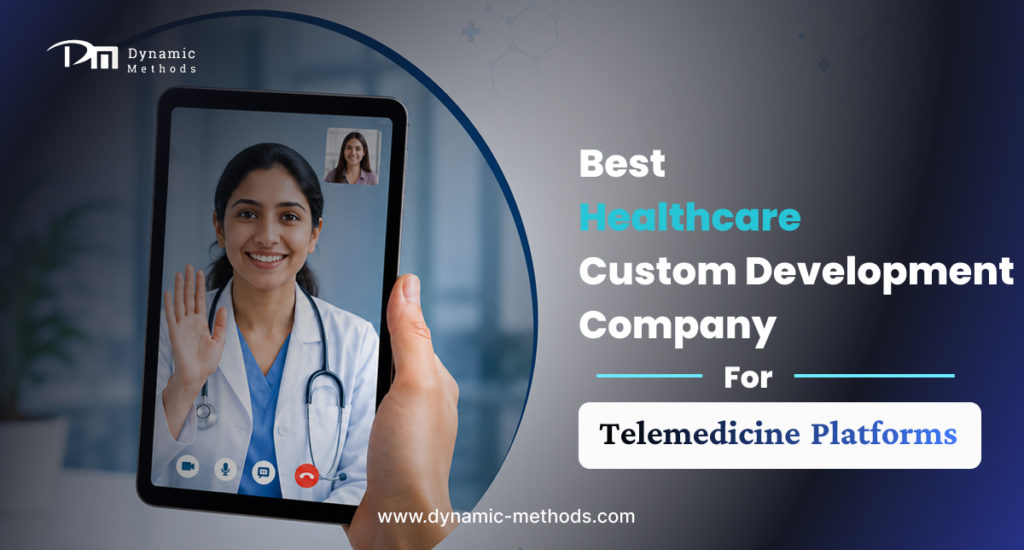
Healthcare has shifted. Patients no longer want to sit in waiting rooms for an hour to get a ten-minute consultation. They want to open an app, speak to a doctor, and get back to their day. Telemedicine platforms now sit at the centre of that expectation, and building one that actually works in a clinical environment is harder than most people realise. Choosing the right custom software development partner in India at the start sets the entire trajectory of the project. The right team does not just write code. They understand compliance, patient safety, and the specific workflows that healthcare professionals depend on every day.
Why Telemedicine Platforms Demand Custom Software Solutions
Generic software breaks under the pressure of real healthcare environments. A rural GP clinic operates nothing like a large cardiology department. A substance misuse service has entirely different data sensitivity requirements from an orthopaedic referral platform. One-size-fits-all simply does not exist here.
Custom software solutions give organisations the ability to build around their actual clinical reality rather than bend their processes to fit a purchased product. That matters enormously when the system touches patient data, clinical decisions, and regulatory obligations simultaneously.
Any credible telemedicine platform must deliver on these fundamentals:
- End-to-end encrypted video consultation with low-latency performance
- Full GDPR and HIPAA-compliant data architecture
- Seamless integration with existing electronic health record systems
- Role-based access control that separates clinical and administrative functions
- Real-time appointment management with automated patient notifications
- Reliable multi-device support across mobile, tablet, and desktop
Miss any one of these, and the platform becomes a source of risk rather than a tool for care.
What Makes a Reliable Custom Software Development Company?
A custom software development company that works in healthcare needs to understand what is actually at stake. Data breaches in healthcare are not just embarrassing. They expose patients to harm and organisations to serious legal liability.
The qualities that genuinely matter when selecting a development partner are:
- Direct experience with healthcare or other regulated industry projects
- Working knowledge of HL7 and FHIR interoperability standards
- A structured quality assurance process that includes clinical scenario testing
- Clear and consistent communication throughout every project phase
- A committed post-launch support structure, not a handoff and disappear model
Domain knowledge is the differentiator. A development team that already understands audit trail requirements, consent management logic, and clinical data hierarchies does not need six months of education before they can contribute meaningfully. Healthcare organisations pay a high price when they have to teach their development partner the basics.
How Do Dynamic Methods Contribute to Telemedicine Development?
Dynamic Methods has built a strong reputation as a healthcare technology partner for organisations that take digital health seriously. They start with a structured discovery process that maps clinical workflows, identifies integration dependencies, and defines compliance requirements before any architecture work begins.
That front-end rigour shows in the platforms they deliver. Their telemedicine builds support for real-time video consultations without the performance degradation that makes clinical interactions frustrating. Their electronic health record integrations work reliably rather than becoming a source of constant maintenance calls. Their patient portals reduce administrative load on clinical staff rather than adding another system to manage.
Their software development services span the full product lifecycle. Discovery, architecture, build, quality assurance, deployment, and ongoing support all sit within a single engagement model. Healthcare organisations do not get passed between teams or left to manage fragmented suppliers. Dynamic Methods holds accountability from the first conversation to the last update. That continuity matters when a platform operates in a live clinical environment where downtime has direct consequences.
Is India a Strong Base for Healthcare Software Development?
India produces some of the most capable software engineers in the world, and a growing number of them work specifically in regulated industries. The talent pool is deep. The cost structure allows healthcare organisations to fund more thorough development and testing cycles than a purely local engagement might allow.
| Factor | India-Based Teams | Local Agencies |
| Cost Efficiency | High | Moderate to Low |
| Technical Talent Pool | Very Large | Limited by Region |
| Healthcare Domain Experience | Grows Rapidly | Varies Widely |
| Time Zone Flexibility | Suitable for Async Work | Full Overlap |
| Compliance Knowledge | Strong in Leading Firms | Generally Strong |
The strongest India-based firms combine technical depth with genuine domain knowledge. That combination is what healthcare organisations should actively seek rather than simply chase the lowest day rate.
What Should Clients Expect From Software Development Services?
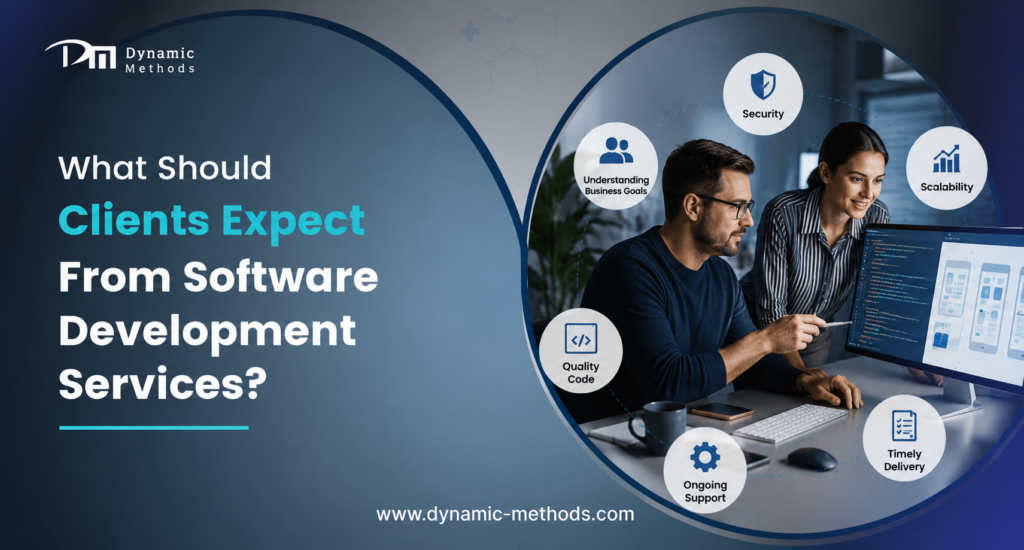
Strong software development services in healthcare look different from a standard agency relationship. Clients should receive clear sprint plans, regular product demonstrations, and honest conversations about risk. Not polished presentations that hide problems until the final week before launch.
Documentation must be thorough. Clinical systems need audit trails not only within the application but across the entire development process. Version control records, test logs, change documentation, and compliance evidence form a body of work that regulators and insurers expect to examine. Any development partner that treats documentation as an afterthought creates problems that surface at the worst possible time.
Post-launch support is not optional. Healthcare platforms operate in live environments where a critical bug cannot wait until the next sprint cycle. The development partner must have a responsive and capable support model from the day the platform goes live.
Conclusion
Telemedicine is not a trend that healthcare organisations can observe from a distance. Patients already expect it, and regulators now accommodate it. Building a platform that meets clinical, technical, and compliance standards simultaneously requires a partner who understands all three dimensions. The right custom software development India partner shortens the path between ambition and a live platform that clinicians trust. Companies like Dynamic Methods demonstrate what it looks like when a development team treats healthcare software as a responsibility rather than just a project. For any organisation that takes telemedicine seriously, working with a specialist custom software development company is the only viable choice.
FAQ
1. What is a telemedicine platform?
A telemedicine platform lets patients consult healthcare professionals remotely through secure video, messaging, or online tools without a physical visit.
2. Why should healthcare organisations choose custom software over ready-made solutions?
Custom software fits specific clinical workflows, meets local compliance requirements, and connects with existing hospital systems in ways generic tools cannot replicate.
3. How long does it take to build a telemedicine platform?
Most telemedicine platforms take between four and twelve months to build, depending on complexity, required integrations, and compliance scope.
4. What compliance standards must telemedicine software meet?
Platforms must comply with HIPAA in the United States, GDPR across Europe, and the relevant national health data regulations wherever the service operates.
5. How do I evaluate a healthcare software development company?
Review their healthcare project history, ask direct questions about compliance processes, assess how they communicate under pressure, and confirm they offer reliable post-launch support before you commit.


 INDIA OFFICE
 CANADA OFFICE